The Beginner’s Guide to EV Home Charging: Avoiding Amateur Mistakes
You pull your shiny new EV into the garage for the first time. You’re excited. You grab the mobile connector, plug it into the wall, and… nothing. Or worse, the breaker trips five minutes later. I’ve seen this scene play out a thousand times in the shop. People treat EV charging like plugging in a toaster, but here’s the cold, hard truth: a toaster pulls power for three minutes. Your car pulls power for ten hours straight. That’s not an appliance; that’s an industrial load.
I’m Alex Reynolds. I’ve been elbows-deep in EVs since the days when charging meant hoping for a 110V wall plug at a campground. At BestEVAccessories.com, I see the result of “amateur” charging setups every day—melted NEMA outlets, scorched insulation, and battery packs that have lost 10% of their range because the owner didn’t understand the chemistry of their cells. Let’s get your home setup right from Day 1.
The Outlet Trap: Why “Standard” Isn’t Good Enough
Most home outlets in the US were designed in the 90s. They were built for vacuums and lamps. If you plug a high-amperage EV charger into a cheap, $5 outlet from the hardware store, you’re asking for trouble. The internal spring contacts inside those outlets get loose over time. When they’re loose, they arc. When they arc, they get hot. When they get hot, the plastic melts, and suddenly, your garage smells like burning ozone.
If you’re going to charge at home, you need an industrial-grade outlet. I don’t care how “pretty” the hardware store one is. Look for outlets rated for “continuous duty.” If you aren’t sure if your wiring is up to the task, hire a professional to check your panel capacity. Saving $200 on an installation isn’t worth the risk of a garage fire.
[👉 CLICK HERE TO CHECK THE LATEST PRICE ON AMAZON]
The 80% Rule: Respecting Battery Chemistry
I get asked all the time: “Alex, why won’t my car let me set it to 100%?” The answer is simple: chemistry hates stress. Lithium-ion batteries love being at 50%. They tolerate being at 80%. They despise being pushed to 100% and held there for days at a time. It causes something called “lithium plating,” which effectively steals capacity from your battery over time.
Keep your daily limit at 80% or 90%. Only charge to 100% right before you head out on a long road trip. Your battery will thank you in five years by keeping its range intact. It’s the same logic I tell people about maintaining their cars—a little bit of preventative care (like using the right cargo organizers to keep weight balanced) goes a long way toward longevity.
Thermal Management: Why Your Garage Matters
Charging generates heat—in the car, in the cable, and in the outlet. If your garage is 110°F in the summer, your car’s BMS (Battery Management System) has to work twice as hard to keep the cells cool while they charge. That cooling power comes from your main battery. You’re effectively burning range just to charge your car. Using high-performance sunshades while you charge can help, but a cool, ventilated garage is your best defense.
[👉 CLICK HERE TO CHECK THE LATEST PRICE ON AMAZON]
The Technician’s Survival Kit
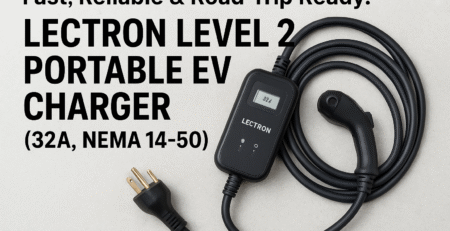
Don’t be the guy who gets stranded. If you’re home-charging, you’re set for 90% of your life. But for that other 10%—the road trips, the visits to friends in rural areas—you need a backup plan. Keep a portable charger in your frunk. And please, for the love of the car’s interior, keep it in a dedicated organizer bag. If it’s bouncing around loose, you’re going to have an expensive scratch on your interior panel by next week.
Frequently Asked Questions
Should I charge my EV to 100% every night?
No. For daily driving, stick to 80-90%. Charging to 100% constantly keeps the battery at high voltage, which accelerates chemical degradation over the years.
Can I use a regular wall outlet for my EV?
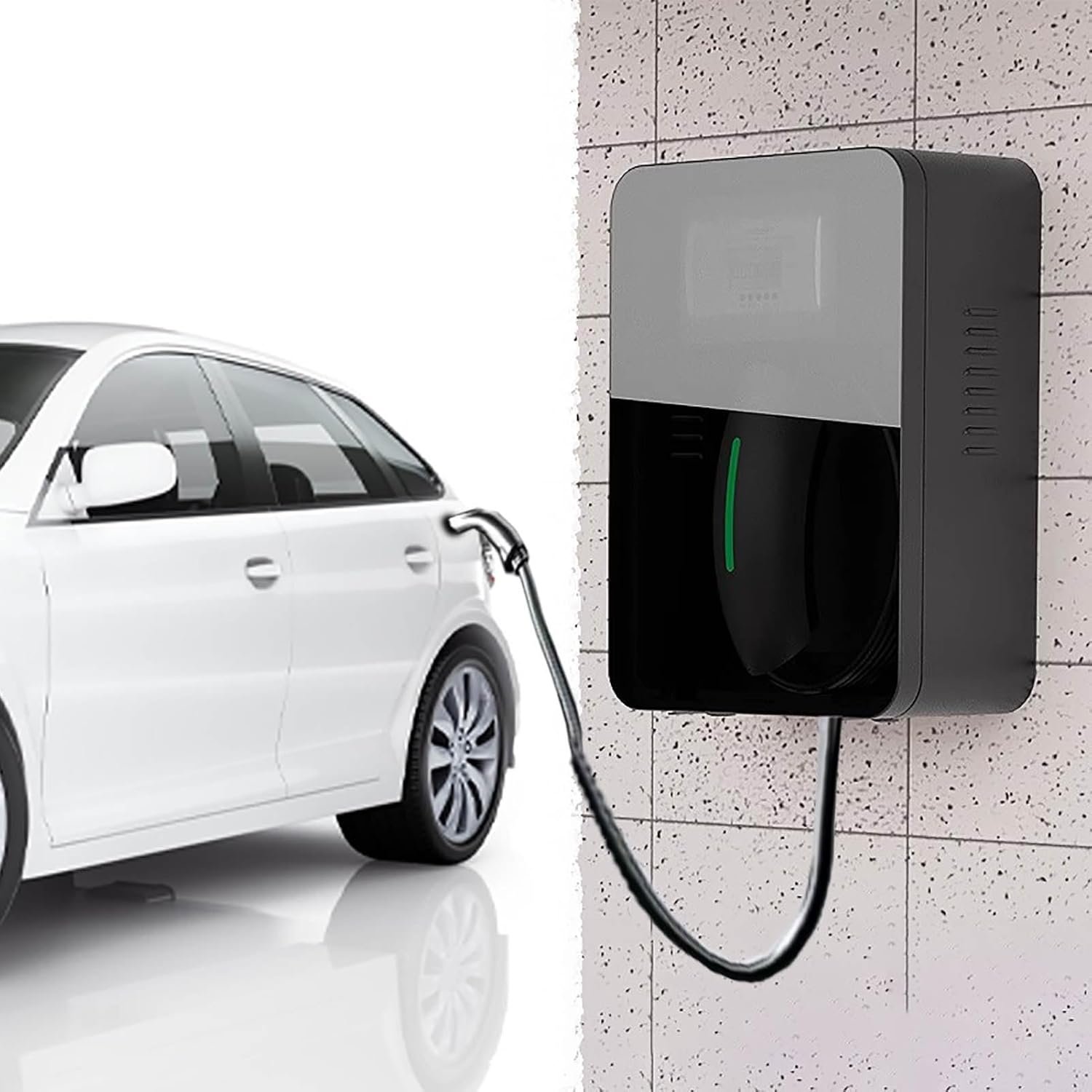
You can, but it’s basically a ‘trickle charge.’ You’ll get about 3-5 miles per hour. It’s fine for emergencies, but you’ll want a dedicated Level 2 wall connector for daily reliability.
Why does my outlet get hot when charging?
That’s a major red flag. It usually means the wiring inside the wall is loose or the outlet is worn out. Stop charging immediately and call an electrician. EV charging is a ‘continuous load,’ meaning it pulls max power for hours.
Do I need a permit to install an EV charger?
In most jurisdictions, yes. Electrical work requires a permit to ensure the breaker panel and wiring can handle the load. Don’t skip this; it’s about your home’s insurance and safety.
Is charging in the garage safe?
Yes, provided the installation is up to code. Make sure you keep the garage area organized—I always recommend using a wall-mounted cable organizer so you don’t trip over the cord.
Charging at home is the biggest perk of EV ownership. Once you get the setup right, you’ll never step foot in a gas station again. What’s your home charging setup look like? Have you had any breaker-tripping nightmares? Let’s talk in the comments.