The Greenhouse Effect: Why Your EV’s Glass Roof is Killing Your Range
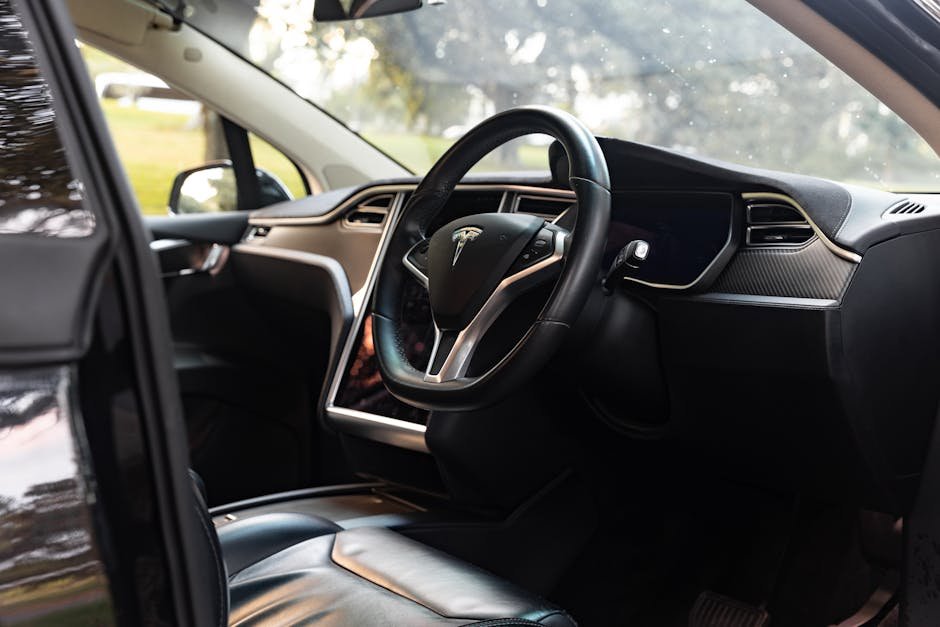
Look, I love the panoramic view of a glass roof as much as the next guy. It makes the cabin feel like a fighter jet cockpit. But here’s the reality I see every summer in the shop: customers coming in complaining that their AC “isn’t working right.” They’ve got the fans on max, the battery is draining like a leaky bucket, and they’re still sweating. The AC isn’t broken. Their car is just a giant solar cooker. That beautiful glass is letting in massive amounts of Infrared (IR) heat, and your interior materials are soaking it up like a sponge.
I’m Alex Reynolds. I’ve spent 15 years diagnosing thermal issues in vehicles. At BestEVAccessories.com, we don’t buy into the “minimalist” hype if it means you’re roasting in your own seat. The market is currently flooded with $15 mesh “nets” that sag after two weeks and do absolutely nothing to stop the heat. I’m here to talk about the technical side of EV sunshades—the kind that actually save your battery and your skin.
The Physics of Heat: UV vs. IR
Most EV manufacturers brag about their “UV protection.” That’s great for preventing your seat covers from fading, but UV isn’t what makes you hot. It’s the Infrared radiation. Factory glass tint is often “smoke” glass—it’s dark, but it doesn’t have the metallic layers needed to reflect IR.
When that heat hits your black vegan leather seats, they turn into 140-degree heat radiators. Even if you’ve used an EV air purifier to clear out the “hot plastic” smell, you’re still fighting a losing battle against physics. You need a physical thermal break. A high-quality sunshade with a reflective silver backing creates a dead-air space between the glass and the cabin. This stops the heat at the source.
Battery Health: The ‘Cabin Overheat Protection’ Drain
This is the part most owners miss. When your car sits in the sun at 105°F, your Battery Management System (BMS) is working overtime. Many EVs have “Cabin Overheat Protection” that kicks in to keep the electronics from frying. If you don’t have EV sunshades, your AC might run for 4 hours while you’re at work just to keep the car at 100°F.
I’ve seen logs where owners lose 3-5% of their total battery capacity every single day just to heat management. Over a week, that’s almost 30 miles of range gone to nothing. Installing a roof shade and a windshield shield is the equivalent of adding 5kWh of “invisible” capacity to your battery because you’re not wasting it on cooling a parked car.
[👉 CLICK HERE TO CHECK THE LATEST PRICE ON AMAZON]
Pros and Cons: Sunshade Materials
| Type | Pros | Cons |
|---|---|---|
| Reflective Silver Layer | Blocks 99% of IR heat. Massive range savings. | Blocks the view completely. |
| Single Layer Mesh | Reduces glare while keeping the view. | Very poor heat rejection. Can sag. |
| Retractable Roller | Ultimate convenience. Open/Close in seconds. | Complex install. Can rattle on bumpy roads. |
The Sagging Nightmare: manganese Steel vs. Plastic
In the garage, I’ve pulled out dozens of cheap sunshades that the owner bought on a whim. The most common failure? Sagging. A sagging shade doesn’t just look like garbage; it’s a distraction. If the shade is touching the glass, it’s conducting heat directly into the cabin anyway.
You want a frame made of manganese steel. It’s got memory. You can twist it, fold it into a circle for storage, and it pops back to a perfectly flat plane every time. Pair this with a two-piece design for the larger roofs. It gives the structure a central support point that prevents that “belly” look in the middle of your car. While you’re at it, make sure your console organizers are clear so you have a spot to store the clips when winter rolls around.
Safety Warning: Check Your Visibility
Don’t be the driver who installs a rear window shade so thick they can’t see the car behind them at night. Stick to roof and windshield shades for heat management. I’ve seen some uncertified “tint film” kits that people try to DIY install. They end up with bubbles that distort the view of the side mirrors. It’s dangerous. Stick to physical shades that you can remove in seconds if you need to.
And for heaven’s sake, check the clips. Cheap clones use brittle plastic that snaps when it gets hot. If a clip snaps while you’re driving, the shade drops on your head. That’s a 70mph disaster waiting to happen. Buy vetted gear that handles the 140-degree temps of a closed cabin without melting. It’s the same safety-first mindset we use for EV jack pads—hardware should never fail when you’re counting on it.
[👉 CLICK HERE TO CHECK THE LATEST PRICE ON AMAZON]
Technician’s Installation Tip: The ‘Tuck and Click’
When you install your roof shades, start from the front. Tuck the edge into the headliner, then work your way back. Use the provided clips sparingly—usually two on each side is enough. If you over-clip it, you’ll create gaps where the heat can leak through. Once it’s up, give it a quick vacuum with your portable EV vacuum to get rid of any lint from the packaging. A clean install is a quiet install.
Frequently Asked Questions
1. Do I really need sunshades if my glass is already tinted?
2. Will a roof sunshade sag over time?
3. Can I leave the sunshades in during winter?
4. Are two-piece shades better than one-piece?
5. Do sunshades affect the car’s warranty?
Your EV is a high-tech marvel, but it’s still subject to the laws of thermodynamics. Don’t let the sun rob you of your range and your comfort. Get some shades, keep the cabin cool, and enjoy the ride. Have you noticed your range dropping on really hot days? Let me know in the comments—I’d love to see your data!